Continuous Crisis Committee
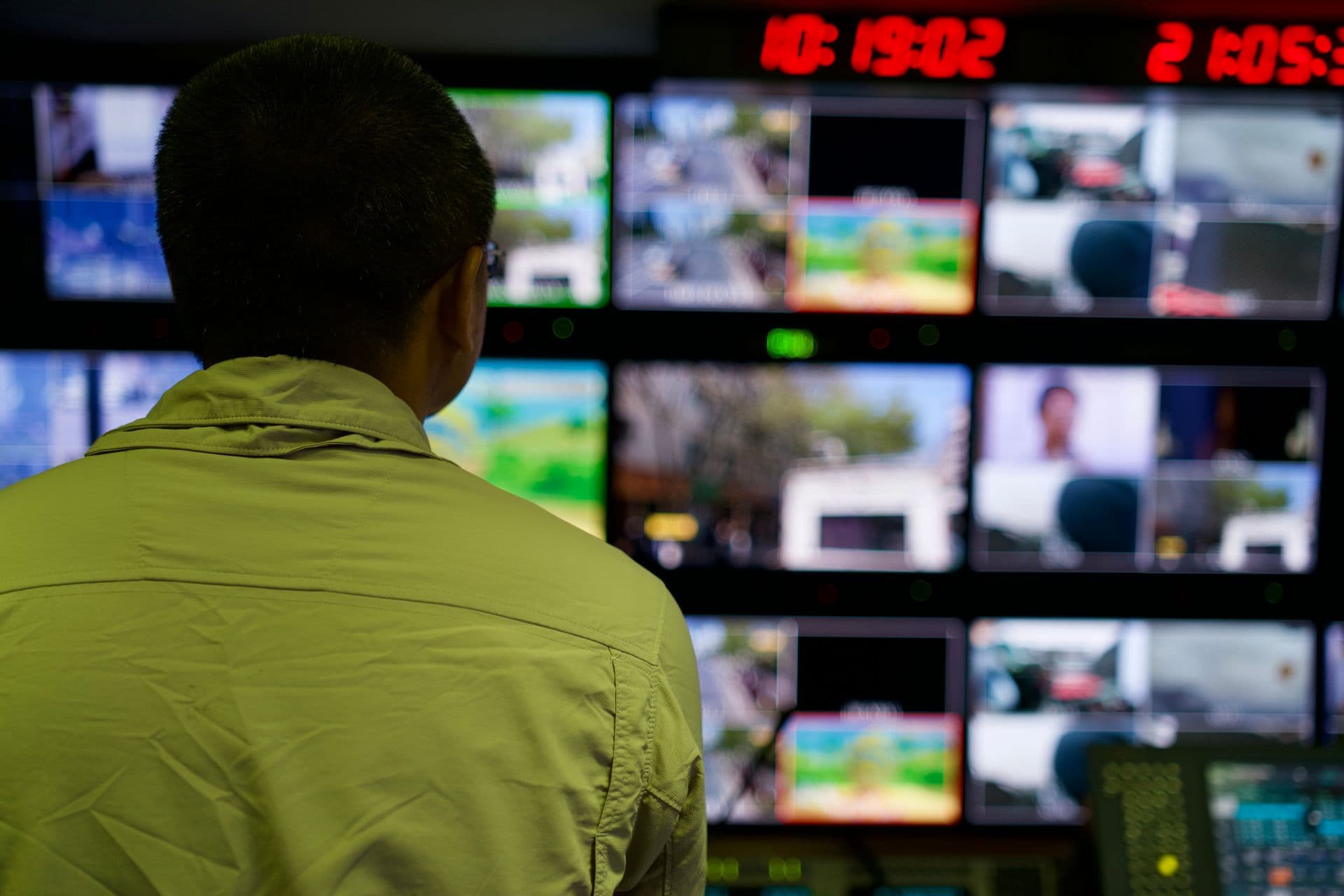
A committee that never sleeps. The CCC runs a live, escalating global crisis across all three conference days — new developments injected every 60 minutes, alliances shifting in real time, and consequences accumulating session by session.
Crisis committees represent one of the most dynamic evolutions in the Model UN tradition, which itself traces back to simulations of the League of Nations run by American university students in the 1920s before transforming into the modern Model UN format after the Second World War. Unlike traditional committees that debate a pre-announced agenda, crisis committees are built around rapidly unfolding, unscripted scenarios — often pioneered and popularized at high-profile collegiate conferences such as Harvard's — where delegates representing key decision-makers must respond in real time to events introduced by a "crisis backroom" team as the session progresses. This format compresses committee size, typically to around fifteen to thirty delegates, and rewards quick, creative decision-making over prepared speeches, since every choice a delegate makes can trigger new developments that reshape the entire scenario. The educational value lies precisely in this unpredictability: delegates must apply their research and understanding of a country's or character's interests under pressure, mirroring the improvisation and high stakes faced by real policymakers during genuine crises. For delegates, a continuous crisis committee offers one of the most immersive and intellectually demanding experiences Model UN has to offer.
Agenda Items
- 1Classified — evolving real-time geopolitical crisis scenario
- 2New developments injected every 60 minutes across all three conference days
Committee Profile
Background Guide
Coming SoonReleasing ahead of the conference — November 2026


