
UN High Commissioner for Refugees
United Nations Refugee Agency
UN High Commissioner for Refugees
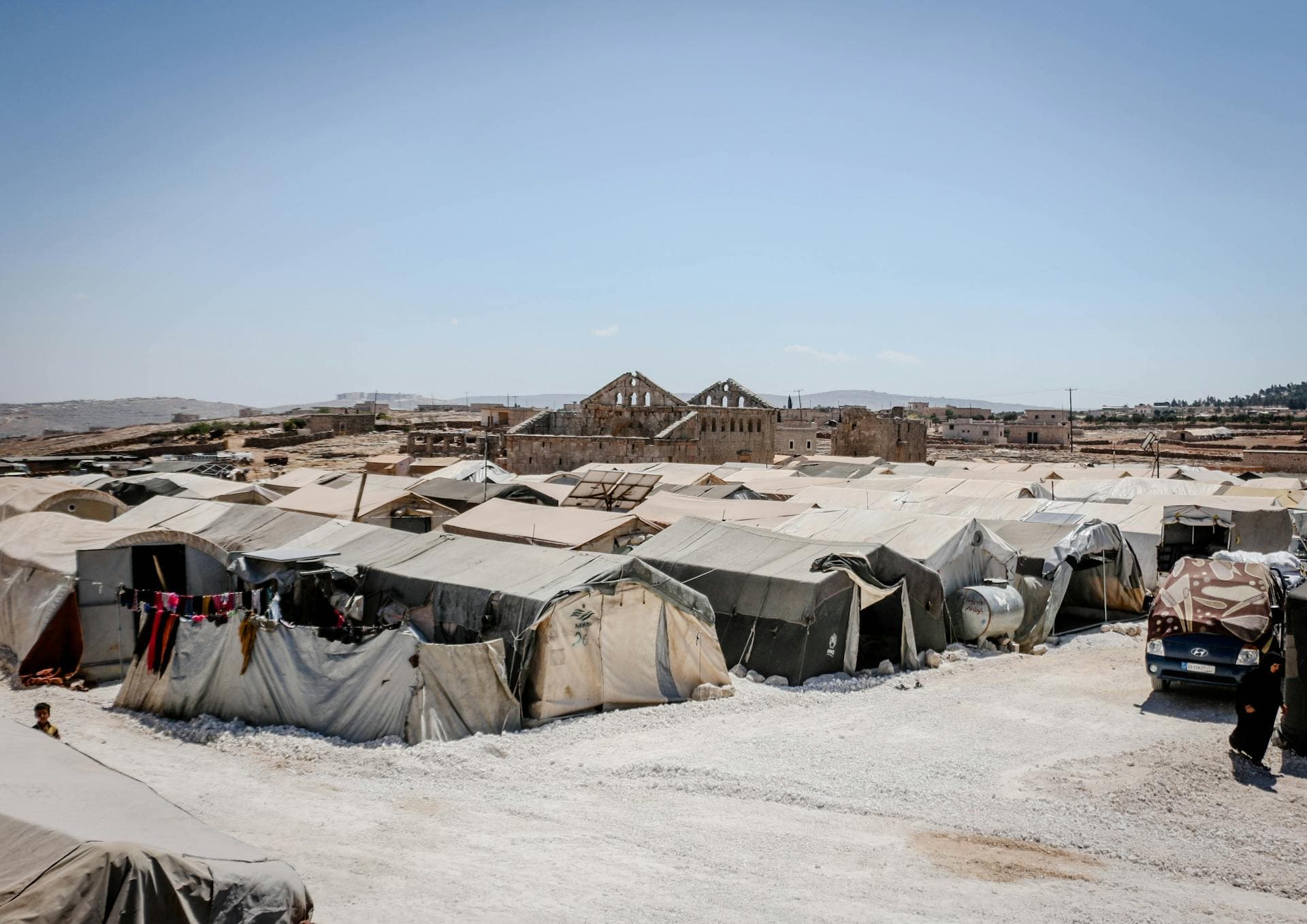
An operational pillar of the global humanitarian response. Delegates respond to complex humanitarian crises — large-scale displacement, dynamic political situations, climate change, and refugee flow — while providing aid, protection, and advocacy for millions.
UNHCR was established by the UN General Assembly on 14 December 1950, originally tasked with a three-year mandate to help resettle European refugees displaced by the Second World War. That mandate proved far too narrow for the scale of need, and UNHCR's remit has since expanded to cover refugees, asylum seekers, stateless persons, and increasingly internally displaced persons across virtually every region of the world. In recognition of its work, UNHCR became the first UN agency ever to receive the Nobel Peace Prize, winning it in 1954 and again in 1981. As of 2025, the scale of displacement UNHCR confronts is staggering — well over 120 million people fall under its mandate of protection and assistance, with roughly 117.8 million forcibly displaced overall, nearly 40 percent of them children. With conflicts from Sudan to Ukraine to Gaza driving fresh waves of displacement, UNHCR's coordination role has never been more urgent or more tested.
Agenda Items
- 1Climate displacement and statelessness in the Bay of Bengal region
- 2Protection frameworks for internally displaced persons in South Asia
Committee Profile
Background Guide
Coming SoonReleasing ahead of the conference — November 2026


