UN Security Council
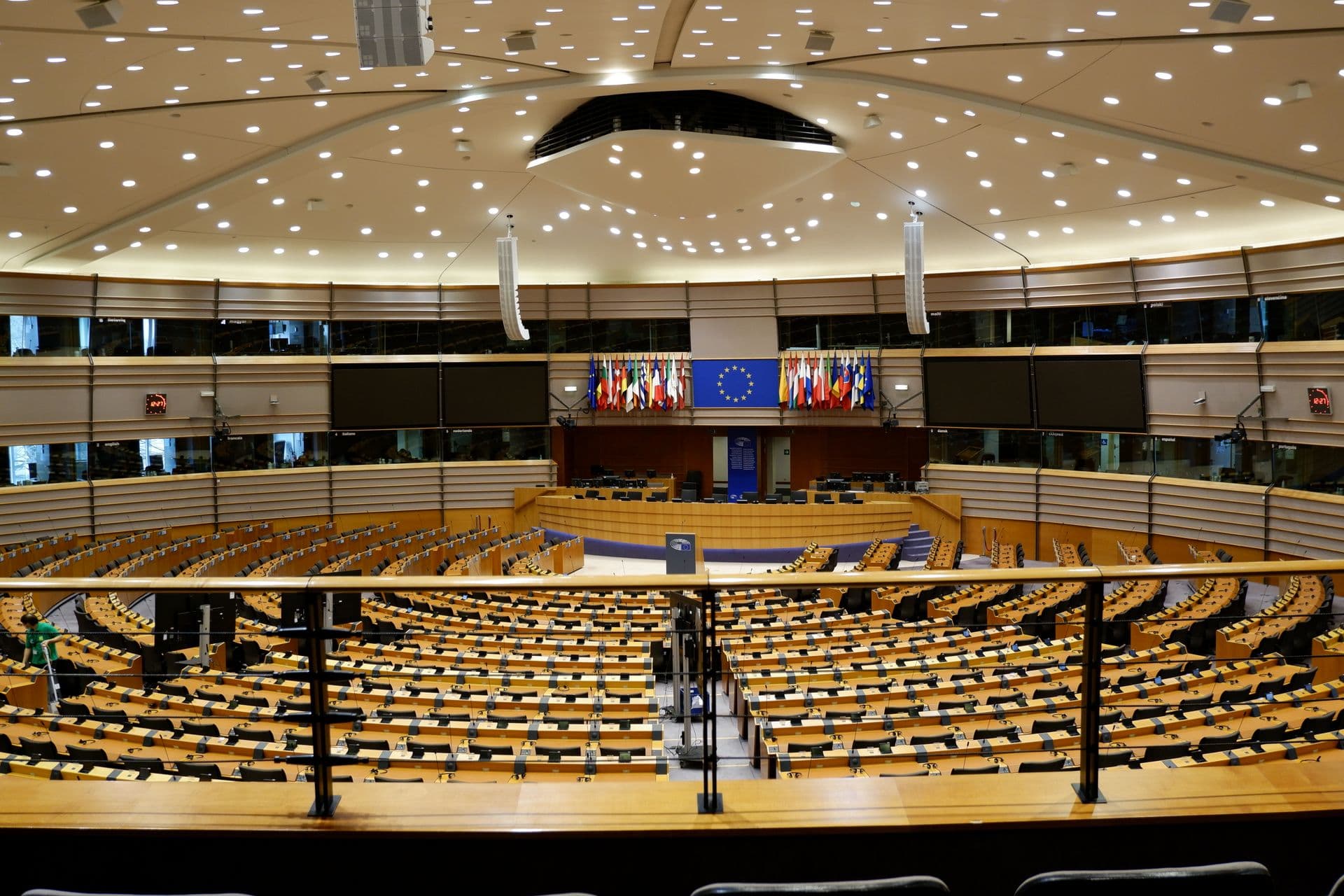
The crown jewel of any MUN program. Chosen with a specifically regional agenda — Himalayan border tensions, water rights disputes, and the India-China-Nepal triangle. Only 15 delegates, intense debate, highest difficulty. The most coveted committee at the summit.
The UN Security Council was established under Chapter V of the UN Charter, signed on 26 June 1945, as the organ primarily responsible for maintaining international peace and security. It is composed of fifteen members: five permanent members — China, France, Russia, the United Kingdom, and the United States — who hold veto power under Article 27, and ten non-permanent members elected by the General Assembly for two-year terms without veto rights. Substantive resolutions require at least nine affirmative votes, including the concurring votes of all five permanent members, meaning a single veto can block any action regardless of broader support. Since 1945, the Council has authorized peacekeeping missions, imposed sanctions, and even sanctioned the use of force, but its effectiveness is frequently constrained by great-power rivalries playing out through the veto. Today, debates over Security Council reform — including expanding permanent membership and curbing veto use — remain among the most contentious issues in global governance.
Agenda Items
- 1Himalayan border tensions and the India–China–Nepal strategic triangle
- 2Transboundary water security in the Brahmaputra and Ganges basins
Committee Profile
Background Guide
Coming SoonReleasing ahead of the conference — November 2026


