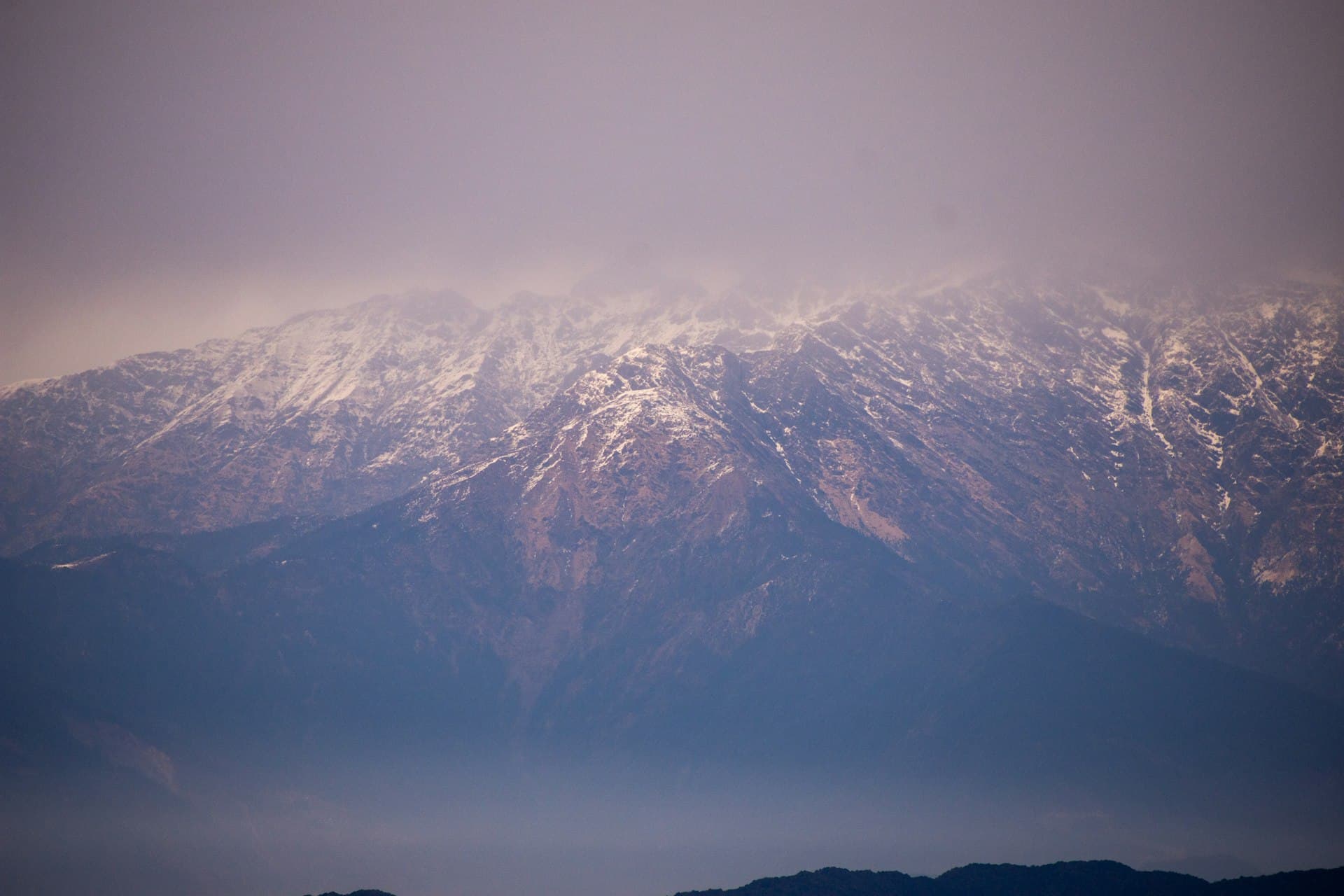

Indo–Nepal Bilateral Meet
The Himalayan Dialogue
Indo–Nepal Bilateral Meet
The committee unique to INDYS and to no other MUN conference in the world. Indian and Nepali delegates negotiate directly — trade, transit, water rights, and people-to-people connectivity — as representatives of their own nations. This is not simulation. This is the relationship this conference was built to strengthen.
India and Nepal share one of the world's most unique and enduring bilateral relationships, formally anchored by the Treaty of Peace and Friendship signed on 31 July 1950 in Kathmandu. This treaty established an open border allowing free movement of people and goods, granted reciprocal rights to citizens of both nations in matters of residence, property, trade, and employment, and committed each government to consult the other on security matters affecting their shared interests. Over the decades, the relationship has deepened through cooperation on hydropower, infrastructure, trade and connectivity projects, even as debates have periodically emerged in Nepal over whether the treaty's provisions need revision to better reflect its sovereign foreign policy interests. Today, with both nations navigating complex regional dynamics involving China and shifting domestic politics in Kathmandu, the India-Nepal relationship remains a vital case study in how geography, history, and culture shape — and complicate — neighbourly diplomacy.
Agenda Items
- 1Revision of the 1950 Treaty of Peace and Friendship
- 2Hydropower cooperation — Mahakali, Koshi, and Gandaki river accords
- 3Trade facilitation and transit rights for Nepal
Committee Profile
Background Guide
Coming SoonReleasing ahead of the conference — November 2026


